

Introduction
Poker ranks as one of the most popular and classic card games in the world and is still played by millions. The game is a perfect blend of strategies, mind games, and skills which makes it quite interesting not only for the enthusiasts but also for the professionals. Poker has several versions including the most popular ones Texas Hold’em and Omaha and now it is a worldwide craze because of its tournaments on television, cash games, and websites.
It’s not only about the cards; it is also about players outsmarting each other. This intricacy has been a source of fascination for countless people which has led them to poker tables where the winnings are not simply monetary but also respect and proficiency. In this piece of writing, we will explore the origins of poker, its structures, its methods, and its social effects.
A Brief History of Poker
There are many theories on where poker started but it is thought to have begun in America in the 19th century. The game of poker most probably has evolved from several other games that were earlier played using a deck of cards and hand rankings. Some scholars posit that it has some ancestry with the Persian ‘”As Nas” or the French version “Poque.”

The game of poker in its current state began to be played in New Orleans in the early 1800’s but it widened itself out through the riverboats on the Mississippi River. With the era of Civil War, poker had been regarded as part of American culture. 52-card decks were introduced into the game, additionally the draw and stud variations of poker were also essential in the evolution of the poker game to its present form.
All these changes in economy and culture helped develop wars across America, and poker is still played today, as it was back then. It is now played in various parts of the world in casinos, private homes, and online. From these beginnings, poker has grown in popularity and importance to be the worldwide game that it is today.
Variations of Poker
1. Texas Hold’em
Texas Hold’em is the most popular version of poker and is typically played in poker tournaments such as the World Series Of Poker (WSOP). There are two hole cards for each player and five face-up community cards. Using any combination of the player’s personal cards and the five community cards, the goal is to form the best five-card hand possible.
2. Omaha
Omaha resembles Texas Hold’em but it’s different because instead of two hole cards, every player is given four hole cards. Nevertheless, players can only use two of their hole cards and three common cards. Omaha is widely played across Europe and popular with aggressive players.
3. Seven-Card Stud
Historically, before the emergence of Texas Hold’em, the variation with the strongest following was Seven-Card Stud. Players in this game receive a mixture of hidden and exposed cards during several rounds of staking. No communal cards are dealt and the best five-card combination wins the game.
4. Razz
Razz is an option in Seven-card stud where the aim is to make the lowest hand. There is no penalty of straights and flushes in Razz with A-2-3-4-5 being the best hand.
5. Five-Card Draw
In Five-Card Draw, the players are given out five private cards and will have the chance to remove and replace cards to improve their hands. This was the form of poker that was often depicted in old Western movies.
6. Pineapple and Crazy Pineapple
These are variations of Texas Hold’em in which there are three starting hole cards dealt to each player, but one has to be discarded before or after the flop. They also bring in more thrill and unpredictability in the game.
Strategies for Poker Success
Over the years, poker has garnered a lot of attention and many people have started playing it, thinking of it as a game only of chance. It is a fact however that short term game strategy may be based on luck but long term game revolves around the players poker strategy and their ability to control the psychology aspects of the game. Here are some fundamental poker strategies that should be learned:
1. Position is Key
Chances are that your success in a poker game is largely influenced by where you take your seat relative to the dealer. If for example, you are in late position (one of the last to act), you get a chance to see how your opponents are betting before deciding what action to take.
2. Bluffing and Semi-Bluffing
Bluffing is a critical aspect in poker games. This will let you win a pot despite the fact that your hand is inferior to your opponent’s. Semi-bluffing, on the other hand, is when you place a bet with a hand that is not currently the best but can improve (for example, when you have a flush or straight draw).
3. Understanding Pot Odds
The term pot odds refers to a ratio that expresses the size of the pot in relation to the size of a unwanted bet you are required to dissolve. In case, the possible profit stands above the loss ratio, it is usually reasonable to call the pot, especially in cases where drawing hands are present.
4. Tight vs. Aggressive Play
ќUnderstand how tits and aggression works in poker and what hands to play even if they don’t look good based on position. Constraining overreaching and being too straightjacketed is not the right approach either. Adjusting to the situation at the table is essential.
5. Reading Your Opponents
In poker, the ability to read one’s opponents is one amongst other critical pieces of skill. Observing how one bets, their body movements, and when the bets are made lends one the insight as to how strong their hands are.
The World of Professional Poker
Once focused on simply entertaining the guests in the casino or at homes, poker is now transformed into a multi-million dollar global sports with tournaments throughout the globe. The annual World Series of Poker or the WSOP is the largest poker tournament in the whole wide world. Players who win the WSOP main event are paid millions of dollars and earn a gold bracelet as well.
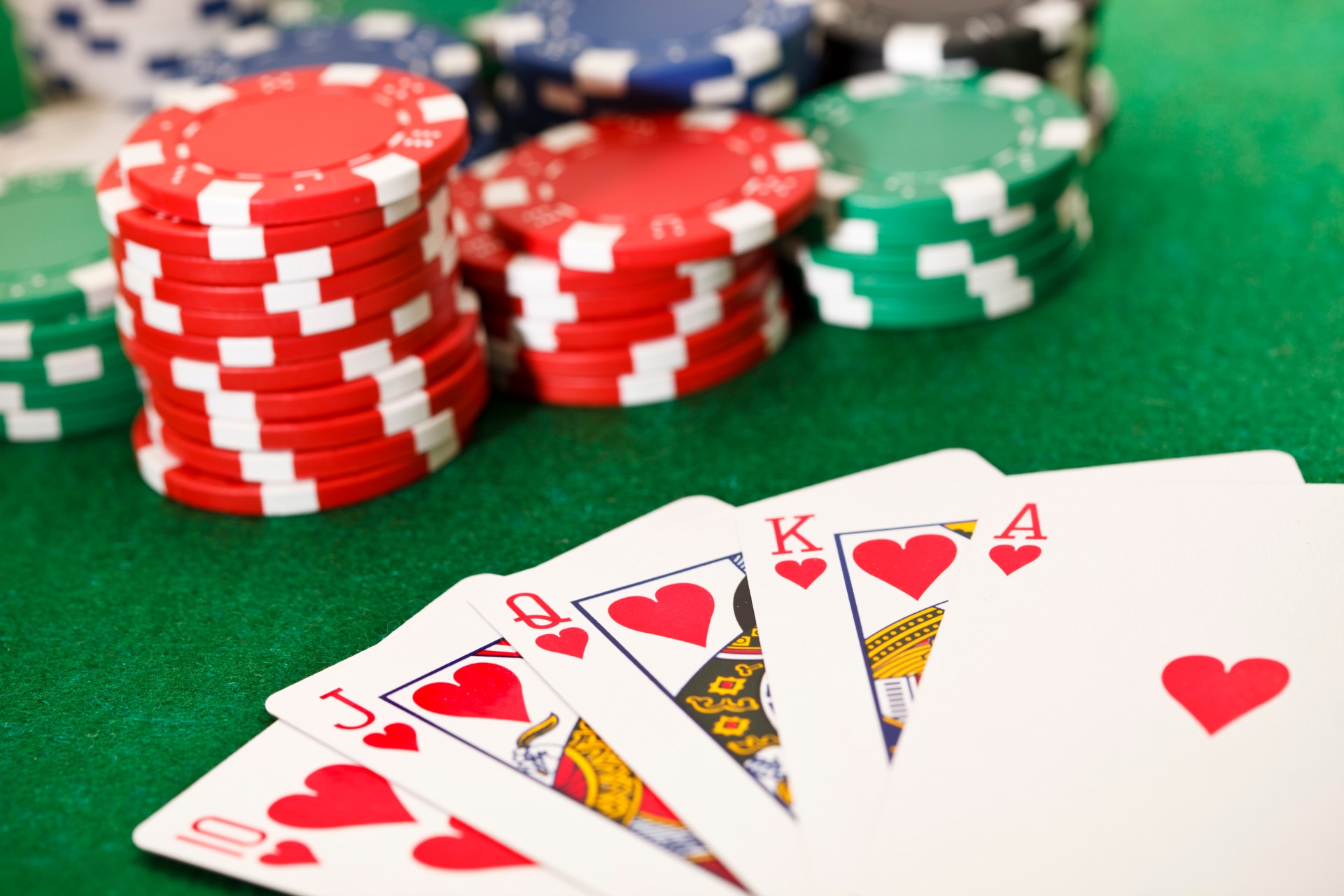
Similarly, the two other big tournaments; European Poker Tour (EPT) and World Poker Tour (WPT) cater to professional poker players and pay out significant amounts in cash. With the launch of poker sites, players globally can now compete at different levels of stakes.
Some game figures such as Daniel Negreanu, Phil Ivey and Doyle Brunson are no longer strangers. A lot of their followers today started out online and then moved to the live table games because their success has pushed millions of individuals to join poker tournaments.
Online Poker
As far as the history of online poker is concerned, it all began in the late 1990s when players got the experience to play their favorite game through the web over platforms like PokerStars, PartyPoker, and 888poker. The newer version allowed players to play from anywhere at any given time. It also facilitated fast paced games with varying stakes which attracted players on the both sides, amateur as well as professional.
Additionally, because of online poker, people also started playing in new formats like Sit & Go’s, fast-fold poker, and life changing multi-table tournaments with low buy-ins.
But still, everything concerning this emerging industry has not been smooth. Some countries will not allow online poker due to policy issues, some have raised concerns with cheating while others found issues with the use of sophisticated software programs in order to gain an advantage.
The Cultural Impact of Poker
Poker’s reverberations reach much further than just the chips and cards. It has made its way to the mainstream because of movies, books, and television shows. Everybody is familiar with the so-called movie classic and one of the best TV poker dramas ever made, “Rounders” released in 1998 and starring Matt Damon and Edward Norton and this game got introduced to more audience.
However, it was the televised poker games broadcasted by ESPN, in particular, that facilitated the constant increase in popularity of the game starting in the early 2000s. This boom was called the “Moneymaker Effect” after Chris Moneymaker, poker’s history changing amateur who defeated the best players in the world in the finals of the $10,000 World series of Poker in 2003 which causes millions of casual players to believe they can do the same thing.
In a lot of cases, poker has become a life metaphor as its related to decision making. The phrase “playing your cards right” has turned into a metaphor to show “making good use of chances” as has “going all-in” to show taking a vow.
Reviews and Criticism
Poker is always fun to many people, but there are some people who don’t like it. There are criticisms that the game, particularly the online variety, can lead to addiction in gambling. But unlike games like the roulette or the blackjack, poker is a game which involves some level of skill, which means that players can get the notion that if they are able to improve their strategies or devote more time and money into playing poker, they can actually win most of the time.
It might be the case that in some instances this idea tends to push people into the other end, and they end up spending more than they really should. That is where the problem lies as responsible gambling is one of the fundamental concepts and principles which many poker websites and professionals from the industry try to enforce. Many kinds of tools exist to allow players to set limits and minimize the negative impact or remove it altogether from their gaming experience.
Conclusion
Poker serves several different purposes. It is a game of wit as well as a game of chance and a game of socialization. Furthermore, with all this variation, is instantly recognizable in this respect around the world. Millions of people play poker in a variety of settings and formats — in professional competitions, for fun with their friends, or on the Internet— and its growing trend speaks for itself. Poker has a long tradition, a multitude of gameplay variations, and breathtakingly complicated strategic elements.
As the trends done to simplify the game in its primitive form is when humans replace everything in created simulations that consist of algorithms and attachments it is wise to consider the evolution of poker. And poker, in some ways, is both a game of chaos and a game of order; a battle to seize the suitable moment combining planed actions with unexpected turns of events. Whether you’re experienced or have never played before, poker is always enjoyable and never gets old.