
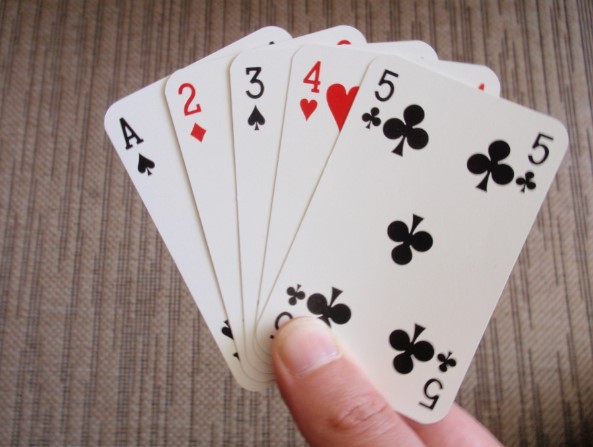

Card games are considered one of the oldest forms of leisure for people amongst any age or culture. There is a very broad spectrum of card games starting from light, casual games at home with friends or family to intense and serious card games conducted in casinos and events. In this extensive guide, we will discuss the origin and evolution of card games, the most beloved gaming categories, strategies, and sociocultural significance of card playing.
Introduction to Card Games
Card games, which are essentially known as table games, require the utilization of standard or special-playing from a deck of cards. Card games can be luck based but we also have some card games involving skills, strategies, and even psychology into the game. It is simple beauty of the card games that with one deck cooler each will take up hours of play by offering different options from variations of the concept.
/pic199513.jpg)
Card games may be played in several settings, ranging from a friendly game at home to more competitive gameplay in casinos or on online gaming sites. They can also be considered a form of entertainment wherein users engage with each other and simultaneously test their wits and abilities to devise strategies.
A Brief History of Card Games
Just like the games, the history of card games is long and varied. It is believed that printed playing cards were invented during the Tang Dynasty in China, specifically during the ninth century where it was first used as domino playing cards for gambling. These early forms of card games later spread to India and Persia where they were improved into what we now know as card games.
:max_bytes(150000):strip_icc()/top-solitaire-card-games-412483-Final-cadc286873e64ccaba81bfd49d015f4e.png)
Concerning the 14th century, people in Europe were playing with cards and the changes were immense. The suits which in Chinese and Indian card games were use to mean coins, cups, and other objects, to European swords, cups, coins, clubs. These, with the evolvement of time lead to the current suits of playing cards loved and adored today – Hearts, diamonds, clubs, and spades.
Towards the second half of the 15th century, playing cards became famous in most of the European countries and the pack was beginning to be fixed. The International standard of maps which consists of 52 cards four suit, and which are each made up of 13 ranks became the norm of playing cards all over the universe.
Types of Card Games
1. Trick-Taking Games
Trick-taking games are played by players in which they compete against one another to win “tricks” which are individual fights where each player plays one card only and the highest ranking card wins the trick. These types of games are commonly played in terms of rounds, where players try their best to take as many tricks or a specified combination of tricks as possible.
Bridge: One of the first and popular trick-taking games is Bridge that is played by 4 players forming into 2 partnerships. It is one of the most strategic and non-trivial card games which requires knowledge not only in card playing, but also in bidding and how to claim as many tricks as possible.
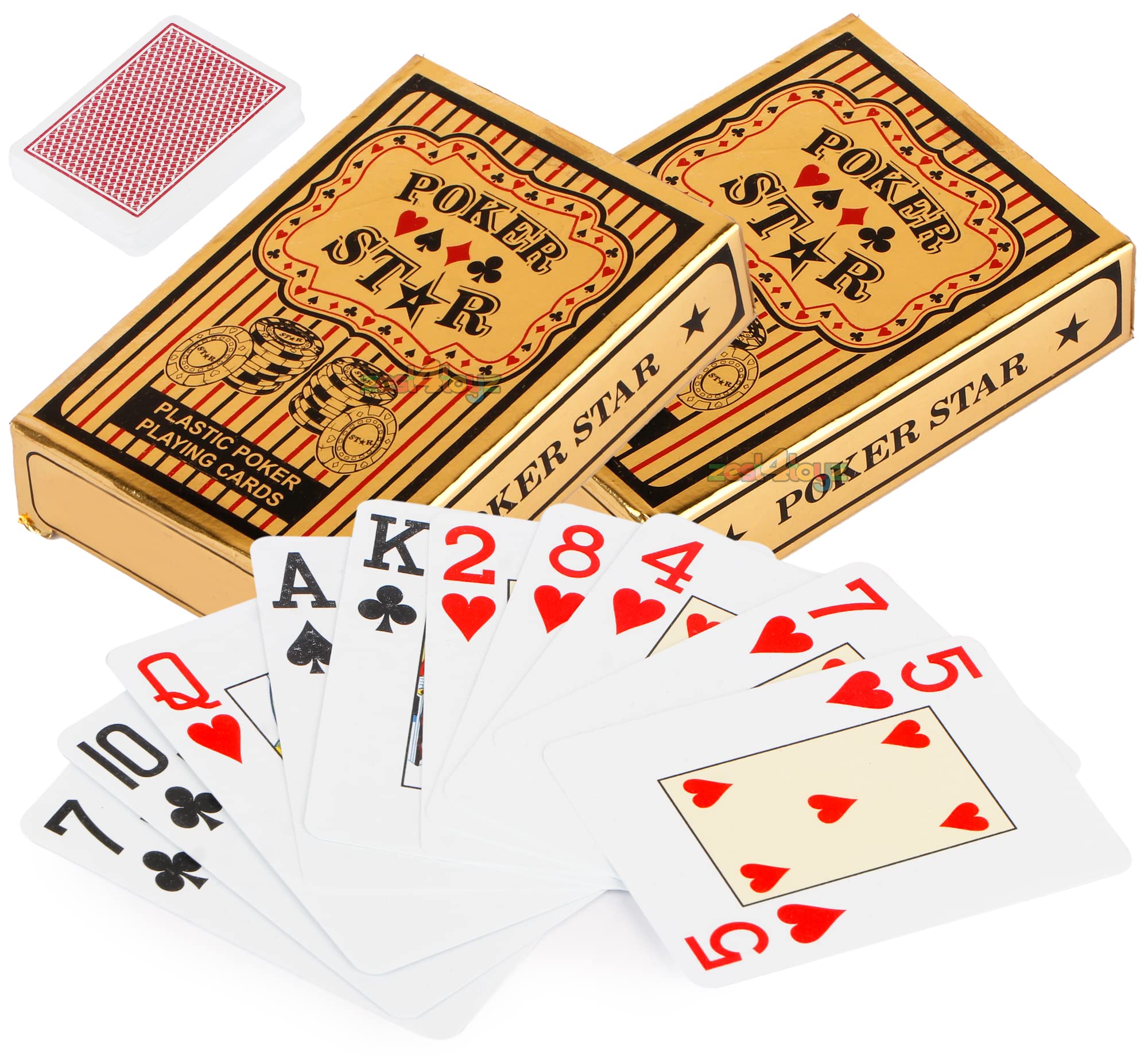
Hearts: Three or four players take turns at dealing in the game of hearts which is a trick-taking game where some peculiar rules apply. Unlike most trick-taking games, the objective here is to accomplish what is essentially the opposite of winning tricks: winning the lowest number of points.
Spades: Spades players declare how many tricks they wish to take based on their bids made at the start of each round physically coax them into reaching the determined target number of each round. It is enjoyed particularly for its strategies of coming up with partnerships.
2. Matching Games
In matching games, the goal is to collect particular sets of cards such as pairs, or three of a kind in order to win.
Rummy: Rummy is an explanation of a number of card games based on matching cards. The aim is to form melds, which consist of runs of a certain suit or sets. Remi includes, among others, Gin Rummy, Indian Rummy and Kalooki.
Go Fish: A children’s game that is easy and fun. Go Fish is a game played with a deck of cards asking players for certain cards to build pairs, and the player with the most pairs is the winner.
Old Maid: This is another favorite game of children Old maid is played with aiming to form sets of cards but always trying to remove the old maid card at the concentration of the game.
3. Shedding Games In shedding games, the intention is to be the first player to get rid of all your cards or chips.
Uno: It is a well known card game especially because of its played in parties where kids take all cards of a certain color and play Uno games.
Crazy Eights: Besides Uno, Crazy Eights is about players calling up cards in order to who hold the same suit or rank of the last card on the discard pile.
Special cards “eight” can be used to change the suit. Phase 10: Similar to Phase 10, players must race to be the first one to finish all the ten stages by fulfilling the required ten specific combinations of cards. During the round, players have to complete the end phase and only then progress to the middle phase.
4. Solitaire (Patience) Games
Solitaire games are of course single-handedly played: usually involving the positioning and movements of playing cards within predefined goals.
Klondike Solitaire: It is a most well-recognized form of solitaire with the goal of creating piles of cards arranged in all the suits in order from 1 to 13. It has become ubiquitous to computers and handheld devices around the world.
Spider Solitaire: In Spider Solitaire the goal is to remove all cards from the tableau which involves building complete suits of cards ranged from king to ace. This is an advanced version of the classical variant solitaire.
FreeCell: FreeCell is a single player game of solitaire in which all cards are face up at the beginning and there are certain number of empty spaces or ‘free cells’ which can be used in order to shift cards into a specific order of suits.
5. Casino and Gambling Games
With its origins in French aristocracy, card games and poker in particular is very much associated with gamblers. Its types include the simple forms and those requiring some strategies and methods of playing in order to achieve a win over the house and other players.
Poker: Poker is perhaps one of the most famous, more commonly used cards game anywhere in the globe. Its types are many and to mention a few there are Texas Hold’em, Omaha and Stud Poker. The main aim is to get the highest hand as rated by the face value of the cards and get money or chips as the result of betting.
Blackjack: Blackjack is one game of cards commonly referred as 21, where the main aim for the participants is to beat the dealer, trying to remain under or at 21, include various face and number cards. The game is widespread in casinos as it offers simple rules and low-risk for the casino owners.
Baccarat: In baccarat, card game played at a casino, players gamble whether the player’s hand or the banker’s hand will come nearer to nine any other hand in the game. It is a very simple game with no skills involved and is played by big bettors in many casinos.
6. Collectible Card Games (CCGs)
Collectible card games can be described as the ogres who recently arrived to the fairy tale world populated with card games. It borrows mechanisms from traditional games and adds strategy, deck building and a findable catch.
Magic: The Gathering: Nowadays, a collector card game called Magic: The Gathering ranks among the most commercially successful, culturally relevant rapid tabletop art card games, where the goal of each player is to either individually or jointly take over the opponent’s life points whilst utilizing an individual built deck full of creatures, spells, and charms.
Yu-Gi-Oh!: Yu-Gi-Oh! is a collectible card game developed after the manga and anime series by the same name. Players summon monsters, set down traps, and use spells to vanquish their foes.
Pokémon Trading Card Game: In case of Pokémon TCG, opponents contain characters from Pokémon and aim to reduce the Pokemon hit points, so the opponents have to defeat all their Pokémon composing the Pokémon TCG deck.
Strategies for Winning Card Games
1. Understand the Rules
This may seem banal but knowing the rules of the game for Dummies is vital for everyone. Every card game has a unique ?solution?, and gaining expertise on this can beat players who are not as savvy.
2. Look at Your Adversaries
Understanding the actions of other players is very central to many card games and especially those that involve bluffing for instance’- poker.’ It helps to see their playing, when it comes their turn and entertain the chances to discover the game or play pattern people have.
3. Sharpening Mental Math Scores
Games such as twenty-one, poker, or england bridge, advantage people who play as fast as light as are best when it comes to brain counting. Mental Strategies especially concerning Odds and probability helps reap fruitful chances for decisions increasing the castles chances.
4. Don’t Get Tired: Stay Calm and Focused
Many card games require a dosage of patience and concentration. For Instance, in Rummy or Gin Rummy, the player has to be cognitive enough to remember the cards picked and set aside by their opponents as this usually involves strategies.
5. Change the Plan Your Are Using
Players who win at card games emotionally are winning. If it’s relatively quiet, don’t change your strategy. If you aren’t winning the game in the previous rounds, then perhaps you had better play more aggressively.
The Cultural Impact of Card Games
1. Social Connectivity
Card games for most people are ways of having fun and interacting with family and friends. Cards also unite generations. Games like Uno, Hearts or Bridge are nice ways to have fun and engage in conversations.
2. Brain Teaser
A number of card games serve to stimulate the minds of the players, assisting them in sharpening their analytical skills,