
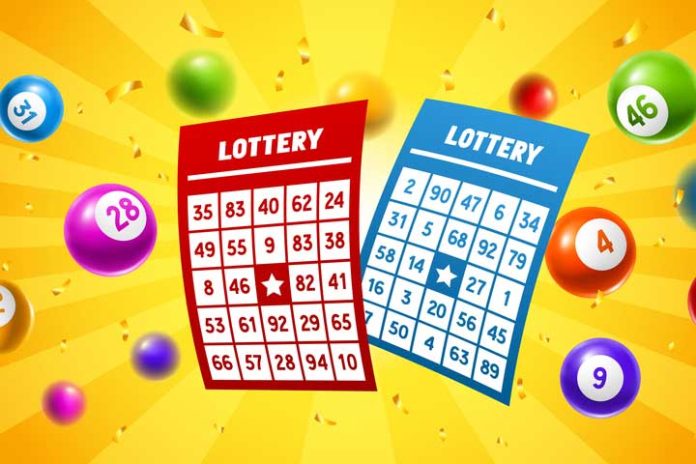

The term ‘lottery’ is surely understood to conjure feelings of exhilaration, expectation, and a sense of desire. There is always the dream of winning the big prize or just taking part in the raffle of the local church, that is why the lotteries have been a matter of interest of people for centuries. In this informative article, we will investigate the description of a lottery, the existing varieties of lotteries, and practices which can boost the winning odds of the players. Also, we will look at what impact lotteries have on people, economy, and culture.
Introduction to Lottery
A lottery may be defined as a game in which those wishing to take part must acquire a ticket, which includes reading the rules, buying a ticket, and waiting for some time when everyone who buys a lottery ticket is put to sleep by some means, there will be a drawing, and a winner will be announced. The benefits of lotteries are always very attractive because even with a little money spent, respectable amounts can be gained. Governments, private businesses and some charitable organizations use lotteries as one of the channels of collecting revenue, and for a lot of people, these have become means of leisure and a way to manage finances.

Yet the lottery is actually viewed as risky and includes gambling. Different forms of the lottery however exist in the societies of the world and active participation with millions is observed. The interest of the people is never lost when it comes to lotteries whether it is national ones like Powerball in America, EuroMillions in Europe or even regional ones.
The History of Lotteries
- Ancient China: The first occurrence of a gambling game that resembled a lottery was during the Han Dynasty from 205 to 187 BC. Such lotteries were employed in the execution of Imperial enterprise such as the Great wall campaign. For instance, people would purchase tickets, and drawing of lots would determine the winners.
- Roman Empire: Lotteries were also common in the ancient Roman Society and many were conducted during feasts and other celebrations as some type of prize drawing. In certain cases, Roman Emperors would use lotteries to distribute lands, people or cages and other such things of value.
- Medieval Europe: The most ancient forms of gambling where-winning an award involved a monetary component, emerged in 15-th century Burgundy and Flanders. Towns arranged lotteries in order to generate revenue for public works projects. In Holland, Lottery emerged as a collection of funds for the poor and for the construction of public assets and became increasingly fashionable around the 16th century.
- Renaissance England: The English people took to playing lotteries during the reign of Queen Elizabeth I. In the year 1567, she approved the first official state sanctioned lottery in England. The lottery was created to help finance improvements to the country’s infrastructure, including its ports. It cost money to buy a ticket, but one had a chance to win gold coins, silver plate, or beautiful carpets.
- Colonial America: Lotteries were common in the early history of America. In the colonies during the 18th century, the governing bodies adopted lotteries to raise funds for building roads, bridges, libraries, colleges, etc. Among such well known institutions as Harvard, Princeton and Yale, which were built up partly with money from a lottery.
How Lotteries Work
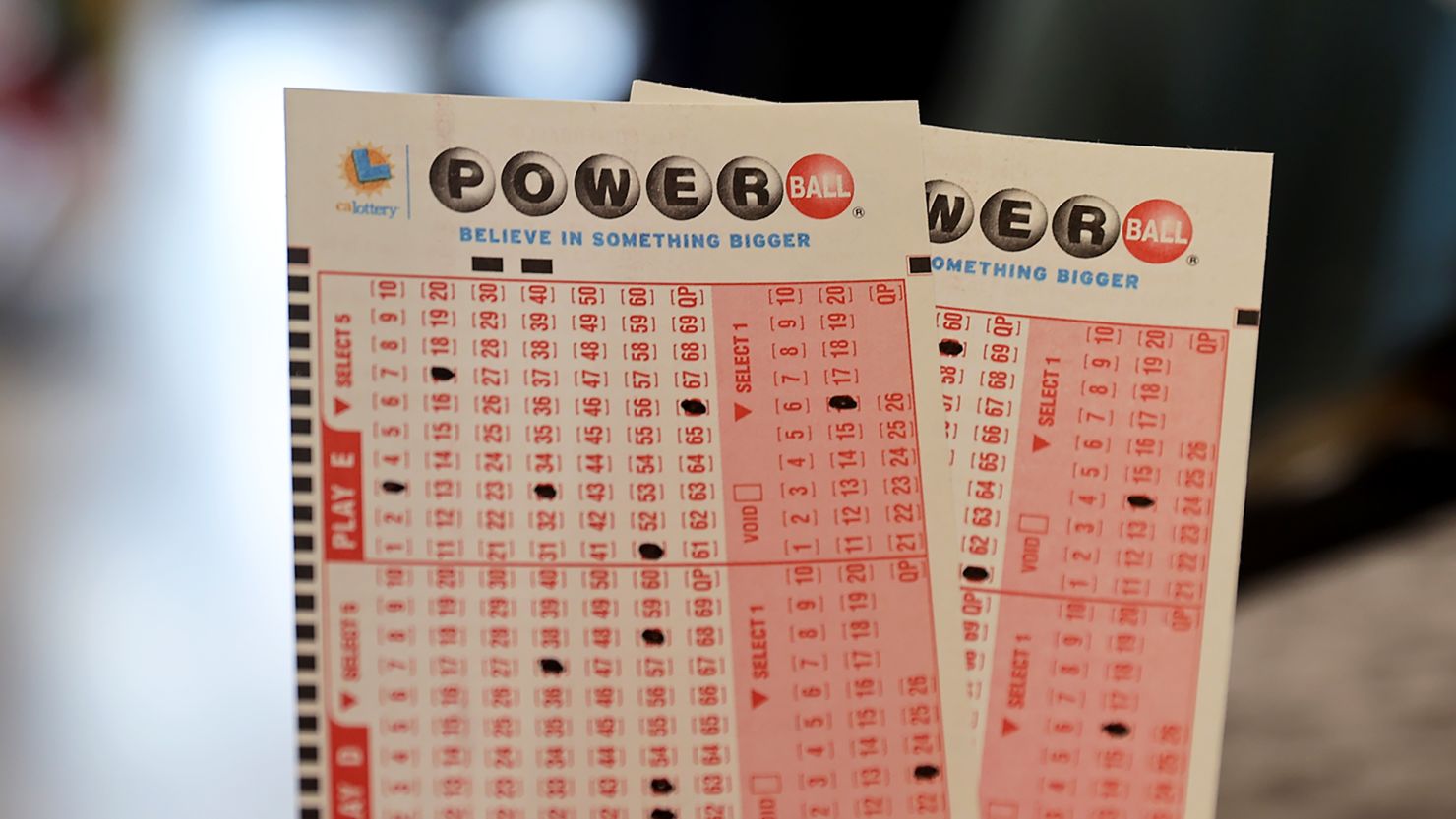
- Ticket Purchase: Players often purchase tickets by either choosing a sequence of numbers to be played or by taking a Quick-pick. A ticket costs a predetermined fee, usually a few cents or several dollars, depending on the game.
- Drawing: A drawing takes place in which a set of random numbers is selected. A drawing is usually conducted with machines that pour numbered balls into a carousel or computer-based random number generators.
- Matching Numbers: Players take numbers on their purchased tickets and check if they are among the lottery winning ones. With many drawn numbers in one’ favor, the prize in stakes becomes more substantial.
- Payouts: Lottery payouts typically have a lower range such as free tickets or just a few dollars to life-changing amounts such as jackpots running in millions of dollars. Typically, there are several prize levels, where the greatest prizes are awarded only to players who managed to guess all available numbers.
Types of Lotteries

1.National Lotteries
These are regarded as the most common forms of lotteries which are mostly operated by a government. More players participate in these games thanks the enormous jackpots that they offer.
Powerball (USA) – Powerball forms part of the largest national lotteries in the United States and has made many millionaires since its launching. To play the Powerball players have to choose five numbers plus a “Powerball” number. The Pot may often reach hundreds of millions of dollars.
EuroMillions (Europe) – A Supranational lottery conducted in several state, EuroMillions, has been known to have life altering jackpots that can even mark off 100 million euros at times.
2. State or Regional Lotteries
These are some of the lotteries avenues opened within particular countries or states especially giving smaller prices but still some reasonable amounts. For example, One of the New York Lottery One of the California SuperLotto Plus.
3. Instant Win Games (Scratch-offs)
Comparable to outstanding games, instant-win games also known as scratch-off games allow the player to buy tickets and scratch to unveil whether they are winners or losers of the game. This includes inexpensive purchases that do not employ such a method as a raffle, but a range of themes and prize solutions with instant gratification for those who do not wish to wait for the draw.
4. Online Lotteries
The development of the Internet caused the establishment of the virtual lotteries in which everybody can take into the draws without leaving home. Such players can participate in national lotteries with ticket purchase, scratch games or even take part in the international lottery pools. Lottoland and TheLotter are examples of websites that have found millions of clients all over the world.
5. Charity Lotteries
Charity lotteries are held by non-profit organizations or along with charitable campaigns. Ticket sale revenues are normally earmarked for some humanitarian purposes, and the rewards tend to be light as compared to the official state lotteries.
Lottery Strategies: Fact or Fiction?
Playing by Popularity and Unpopularity of the Numbers
Some players have a certain number that is popular and often play it out based on significance like their birth dates while others have so called “lucky” numbers. However, other players prefer to select numbers that are not required that many players have an equal in playing time because if and when they do win, they do not have to distribute the jackpot to many other winners like themselves.
2. Sticking to the Same Combination of Numbers
There are other lottery players who believe that they can keep playing their numbers as they are hopeful that they will be lucky one day. It is a rather mental than a quantitative problem, but some find that calmness resting on them.
3. Taking Part in Lottery Pools
Participants in the lottery pools combine their money with those of other participants in order to buy more tickets so as to have a better chance of winning. All upward ticket prizes that win are shared among the groups that originally bought those tickets. The chances of winning do increase but in the end the amount received is less as it is distributed among members.
4. Staying Away from the Popular Games
The moment people begin playing the smaller, obscure lotteries they have also come to believe their chances of winning get enhanced with fewer people competing against them. For instance, instead of playing patriot lottos in a foreign country it helps to play state lottos since chances are improved even if the top prizes are low.
5. The Application of Mathematical Models
Many players make use of elaborate mathematical systems and statistical methods when it com to the selection of players.
The Impact of Lotteries
Economic Impact
Lotteries are quite a source of income generation since they generate revenues of billions every year. In some countries a part of the lottery revenue raised finds its way into addressing social issues like education, healthcare or housing. For example, in the United States, the sales of the state lottery tickets are frquently used to atleast partially fund public education and charity for the future of state’s children.
Critics, on the other hand, believe that it is the poor who become lottery players as they feel destitute and try to utilize other financial resources like their disposable incomes on such games in the hope of making it rich. This has brought ethical questions on the applicability of lotteries as a mechanism for addressing poverty and equality.
Cultural Impact
Social functional integration also refers to how societies organize their structures and functions. In today’s world, Lottery themes dominate most of the films, books, and TV shows. The desire of becoming millionaires very quickly with a simple ticket remains among many plots and exposes the society to such vices like riches, fortune, and luck.
Social Impact
At the personal level, winning a lottery jackpot could radically transform an individual life perspective. The common thing though more often than not is the narrations of the prize winners who after winning ‘living’ do not occur in the majority of them very few allude to the glory and praise which such funds often herald. Such sudden how does money several fortunes assist in relief of necessities while such circumstances introduce substantial difficulties.
Ethical Concerns and Criticism of Lotteries
Lotteries have, however, evoked much disapproval in most areas. The most notable issue is that they form a ‘regressive tax’ where the poor become victims. Research has shown that people in the lower income bracket are the likely buyers of lottery tickets hence it has been argued that the lotteries victimizes the poorest.